NOTE: This post is a deep dive into the Pamukkale Travertines only, for more info on the town of Pamukkale, the UNESCO Heritage site of Hierapolis, where to stay, a suggested itinerary and more, please read the following post: 24 Hours In Pamukkale
As the beauty of the day disappears beyond the horizon…
I wonder what kind of magic the night will bring…
– The Hidden Thimble
A Little Bit Of History
As one of the rarest geological phenomenon’s on Earth, Pamukkale’s travertines are fascinating. What exactly are they? How was something so big created? Where do the hot springs come from? Does the water really have healing abilities?
Never fear, everything you ever wanted to know about the Pamukkale travertines will be answered in this post!
Pamukkale means “Cotton Castle” in English
Let’s begin with Turkish mythology. Turkish legend has it that Pamukkale’s travertines were formed long ago by giants who they left their cotton harvest outside to dry. The harvested cotton solidified and formed the ‘Cotton Castle’ we see today.
Realistically though, it’s creation is even more wondrous than that. When you think about it, the Earth and science are also very magical things, just like the story of the giants. The travertines first started forming about 400,000 years ago, after a series of earthquakes caused thermal waters to flow down the mountainside. These mineral rich waters deposited a sludge like substance called calcium carbonate – you can feel it under your feet when you swim in the pools. Being exposed to the sun, the calcium carbonate was simultaneously evaporated and crystallised into terrace like formations. The result? Magic cloud like-thermal pools you can swim in!
Things to see and do near the travertines
While explained in detail in my 24 Hours in Pamukkale post, here’s a short list of the things you can do in close vicinity to the travertine site:
Walk through the ancient city of Hierapolis
Visit the Hierapolis archaeological museum
Take a dip in the Antique Pool (also known as the Cleopatra pools)
Walk along the travertines and take a swim in some of the pools
Catch the sunset over the travertines (photography guide below for those interested – my favourite photos are from sunset!)
Paragliding
Professional photo services – there are two photography services offered where you can get ‘professional photos’ taken. There is one at the top of the Pamukkale site, near the food, and one inside the Antique Pool area.
Paragliding over Pamukkale
Tips and TRICKS
1. How to Get amazing photos WITHOUT crowds
When the locals told me that Pamukkale was the most spectacular at sunset I made sure I got myself a good spot for photos. And the locals couldn’t have been more right – it was absolutely gorgeous!
Here are my tips to get the perfect shot:
Visit out of season. I visited Pamukkale from the 11th – 13th May and although considered the ‘shoulder season’ (the town was very quiet and sleepy according to the locals), the travertines themselves were packed! If you really want photos with no one in them – especially in the pools you can swim in – I would visit in winter.
Try the North Gate Entrance: If you’re a really keen bean (I actually didn’t know this and I’m pretty bummed I didn’t!) Pamukkale’s North Gate apparently opens at 6am instead of the 8am opening times of the other two gates. This means you can get in before the crowded tour busses and get all the photos you could dream of! This entrance is only accessible by car though.
Stay until sunset: The locals were definitely right, sunset is the most beautiful time to capture the travertines, so you definitely want to make sure you claim a good spot well before. The pools mirror the pastel colours of the sky and it is absolutely amazing to watch.
In May, sunset was a little later (around 7:30-8PM) and interestingly, some of the tour buses stayed back this late, so there were still quite a few tourists around.
Set up at least 40mins before sunset: As a solo traveler, it is definitely more difficult to take those ‘instagram-worthy’ shots of yourself amongst the beautiful sites you see. So a lot of the success of your photos comes down to preparation and planning. I reserved a spot about 40minutes before sunset. This allowed me to set up all my gear (tripod, remote and camera) as well as do a few test shots before the crowds came to watch the sunset.
Shoot from the area that’s closed off to tourists: For preservation purposes, the most beautiful areas of the travertines are closed off to tourists, meaning you can get a clear shot of them at sunset without anyone in the background. Yes it does mean you can’t get a shot of you swimming in them, but you are allowed to sit on the outer pools, which still creates a magical shot – see below!
In this section, you are only allowed to walking on the stoned terrance that I am sitting on, and the two greyish terraces below. Anywhere else is off limits. As you can see in this photo, I reserved my spot before sunset!
2. The site Doesn’t look like the pictures you see online
I know, I know. The photos I’ve shown so far say the opposite to what I’m claiming above, but I’m going to expose to you below what MOST of the site actually looks like.
To be honest, when I first arrived, I couldn’t help but feel a little disappointed because of how differently the site looked to all of the advertising brochures and images you see online.
Majority of the travertines are completely dry.
Because of this, you can’t help but feel like you’ve been lied to. Don’t get me wrong, it’s still really beautiful, but the beautiful images you see in guidebooks and tourist websites that show people swimming in an abundance of overflowing travertines is a LIE. These images are from wayyy back in the past when these areas were still open to the general public. Since then, they have been been closed and ‘dried out’ to allow the travertines time to recover from the terrible treatment of the tourism industry.
To give an example:
Media images look something like this:
But the site actually looks more like this:
These cute little dogs were playing and sleeping in the dry areas Psst – the point to the left of this photo where you can see some people gather is where you want to take your sunset photos from
3. You Can’t Swim in most of the travertines
Any travertine not located along the main pathway is off limits to visitors. There are only about 3 or 4 large travertines available for the public to swim in, and they are packed with tourists.
Over the years Pamukkale has faced a lot of damage from the tourism industry – there even use to be hotels that were built on top of the ancient city of Hierapolis, which destroyed some of the ruins back in the 1960s. Some hotels back then even used the thermal water in their own swimming pools and even the tourists feet trampling all over the travertines has caused significant damage. As a result, most pools are dried out and closed off the the public.
Heres a comparison from past to present:
Media images look something like this:
But here is a more accurate picture of the pools you can swim in:
Oh and you might want to get there early…:
Crowds at opening time (8AM):
Crowds just 40 mins later….PACKED!!
4. The water has healing powers
The thermal waters are high in minerals and are known to cure a variety of diseases. I had so many locals tell me about success stories they had witnessed. Some of the many diseases the thermal waters claim to cure or benefit include:
Asthma
Rheumatism
High blood pressure
Circulatory issues
Overall good for skin and eye disorders
Kidney stones
Stroke
Physical exhaustion
Digestive issues
Nutritional disorders
5. Consider what you wear
Plan for getting wet, especially if you enter from the town entrance like I did. It involves a walk up the travertine pathway, which has water running down it.
To minimize damage from tourists, you are also required to remove any shoes, and contrary to how the travertines look, the rock is actually quite pointy and slippery under your bare feet which makes climbing up from this entrance rather uncomfortable!(In the travertine pools though, the floor is soft thanks to the build up of the sludge-like calcium carbonate)
You don’t want to be wearing long pants and lace up shoes with socks. Ideally dress for the Pamukkale travertines as you would the beach – thongs (flip flops for the US people, yes in Australia we call them thongs), swimmers and something light on top (think a beach dress, or a simple T-shirt and boardshorts). A backpack that’s waterproof is also ideal.
Turkey is predominantly a muslim country, so remember to be respectful and cover up to an extent. I’m not saying you can’t wear a bikini when you go swimming – you can, but let’s not take it to the Brazilian bikini level trend that seems to be everywhere now (at least in Australia). You know the ones where your bikini bottoms are basically a g-string.
6. Take the best Entrance FOR YOUR NEEDS
Pamukkale has three entrances;
The North Gate: This gate requires a car to get to, but it apparently opens at 6AM if you’re looking to get into the heritage site early to beat the crowds or to take photos. The entrance starts at the beginning of the town of Hierapolis, so you need to walk through it before you reach the travertine site – it’s quite a far walk if you’re not prepared! The gate does get quite busy later in the day.
South Gate: This gate requires a car to get to if you’re staying in town. It opens at 8AM and is the most popular (and busiest!) entrance to the travertines. All the tour buses drop people off here. At this entrance you start at the top of the travertines.
Town Gate: This is the easiest gate to enter the travertine site if you’re staying in town and opens at 8AM. It’s a lot less crowded way to view the travertines from 8AM, than to start at the North gate as you’ll find most of the crowding occurs there.
GENERAL INFO
How to get there
Detailed info regarding plane and buses from other areas of Turkey to Pamukkale can be found in this post: 24 Hours in Pamukkale
If you’re staying in the village of Pamukkale itself, you literally can’t get lost walking to the travertines, it’s the biggest thing you can see in the skyline and at most is a 20 min walk.
PRICE
Entrance Cost for Pamukkale Travertine (B on map) and Hierapolis Ancient City (1-16 on map): 35 Turkish Lira
Entrance Cost for Cleopatra/Antique Pool (A on map): Free to go inside the complex, to swim you need to pay 32 TL (Adults) 12 TL (Kids 6+) Kids (<6) Free.
OPENING HOURS
North and Town Gates:
From April 15 till October 2 – Open from 08:00 to 21:00 every day
From October 3 till April 14 – Open from 08:30 to 17:00 every day
South Gate:
Apparently the South Gate opens at 6AM. I didn’t know this prior to my trip, so I didn’t get a chance to verify for myself, but I read this was possible online. You will need a car to access this gate.
FACILITIES
Disabled Access:
The travertine site itself is not wheelchair friendly, however if you enter from the North entrance, you will be able to view the travertines from the top paved areas.
Toilets:
Toilets, change rooms and showers are available on the site. The latter two are only accessible inside the Antique Pool complex.
Food:
You can buy food until closing time at the Pamukkale site. There’s quite a few options, but it is a lot pricier than in town. A LOT PRICIER!!
Parking:
The South and Town gates have free parking – it gets filled really quickly though! Parking is also available at the North Entrance for a small fee.
Lockers:
Lockers are located in the Antique pool complex. You are required to give a small deposit, which you get back when you finish.
Are you planning a trip to Pamukkale and have questions? Let us know below!
A not-so-big secret about myself is, I am a big fan of surrealism. I love the way it releases the mind by surrendering the senses to the creative potential of the unconscious. It’s like diving into a brand new world of possibility that’s not so far from our own, yet, we can see the beauty of our reality and dreams in uncanny ways that challenge logical reasoning.
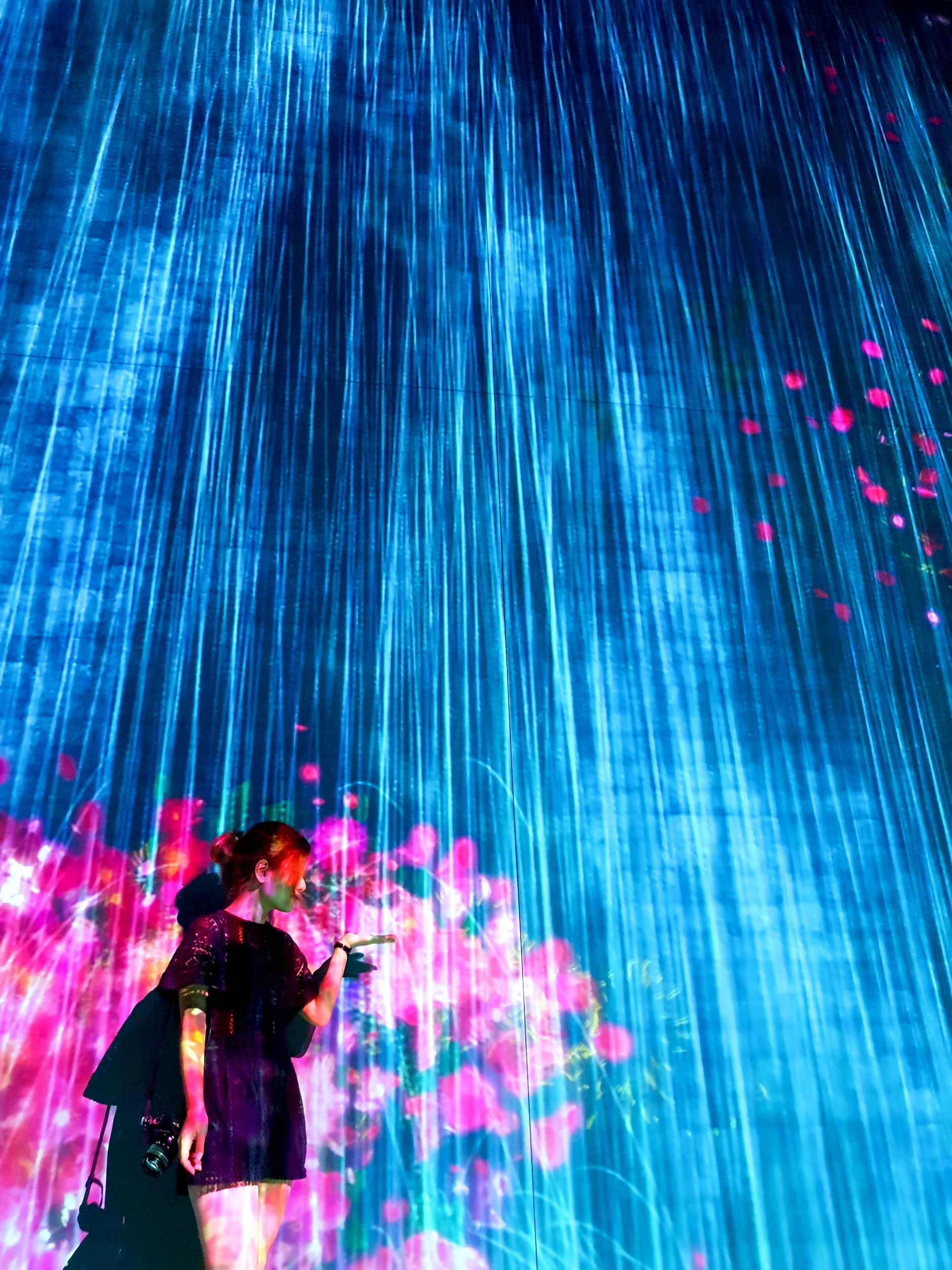
That is the exact feeling you’ll discover immersing yourself inside teamLab’s Borderless – a maze of light, projection mapping and sounds – all interactive and very Instagrammably artsy.
But, after experiencing the digital art museum for myself, I realised my impression of this place being the ultimate Instagrammer’s dream was not completely true as advertised. There are artworks worthy of being snapped and others which were better to just put the camera away and enjoy playing in.
For this photography guide, we’ll share how to play and take photos amongst these breathtaking moving artworks.
How to get that perfect shot
t is important to remember that because Borderless is still an art exhibition, there are some rules visitors will need to obey by (see their Notice to Visitorssection).
No tripods, selfie sticks, and bags are allowed during your time inside – that means no long exposure shots! So, coming prepared will ensure you are set with your best equipment to still enjoy photo-taking with only your pockets as storage.
The challenges of shooting inside Borderless are, of course, working in complete pitch darkness and photographing digital screens that produce anti-aliasing problems when up-close. You will need to adapt your camera gear and settings that allows a big aperture and a slow enough shutter speed so you can capture enough light but not too slow that it causes blurring without a tripod.
As a starting point, here are the camera specs and equipment I used:
My camera specs are:
Camera: FUJIFILM X-T1
Lens: 18mm – 55mm
ISO: 800+
f-stop: f/1.4 – f2.0
Shutter speed: 1/30
My phone specs are:
Phone: Samsung S9+
Camera: Rear camera only
Settings: Live Focus, Auto/Pro
What to wear
ou might not have given too much thought into picking your outfit for just an exhibition but because of the low light and darkness of the art space, I would suggest the following to ensure visibility when taking photos:
Clothes that are minimalist in style and have very little to no patterns.
Clothes that’ll give you a great silhouette profile. Think about different structures and fabrics like sheer chiffon or long bell sleeves.
Colours that work best, in my opinion, are white, black and bright clothes like yellow, light pink etc. I found these colours don’t interfere with the projections.
No mini skirts but long skirts are ok. There are mirrored floors people.
No high heels (trust me, I made that mistake). The floor in some spaces are uneven.
Top 4 Places to take the best shots
crolling through Instagram and online photos, there are many beautifully shot pictures of the Borderless exhibit that you might have wanted to replicate for yourself.
With its cutting-edge digital art and mesmerising visuals, Borderless is perfect to capture one of a kind photos to share online. With 470 projectors projecting various
changing artworks, you’d be mistaken in thinking you can capture every single moment through the lens in that ‘perfect’ Instagrammable way.
So without the luxury of a media pass and crowd-free exhibition space, I’m going to share my top tips on the best spots to spend your time to capture amazing photographic memories.
1. Wander through the Crystal World
Difficulty Level For That Perfect Shot: ★
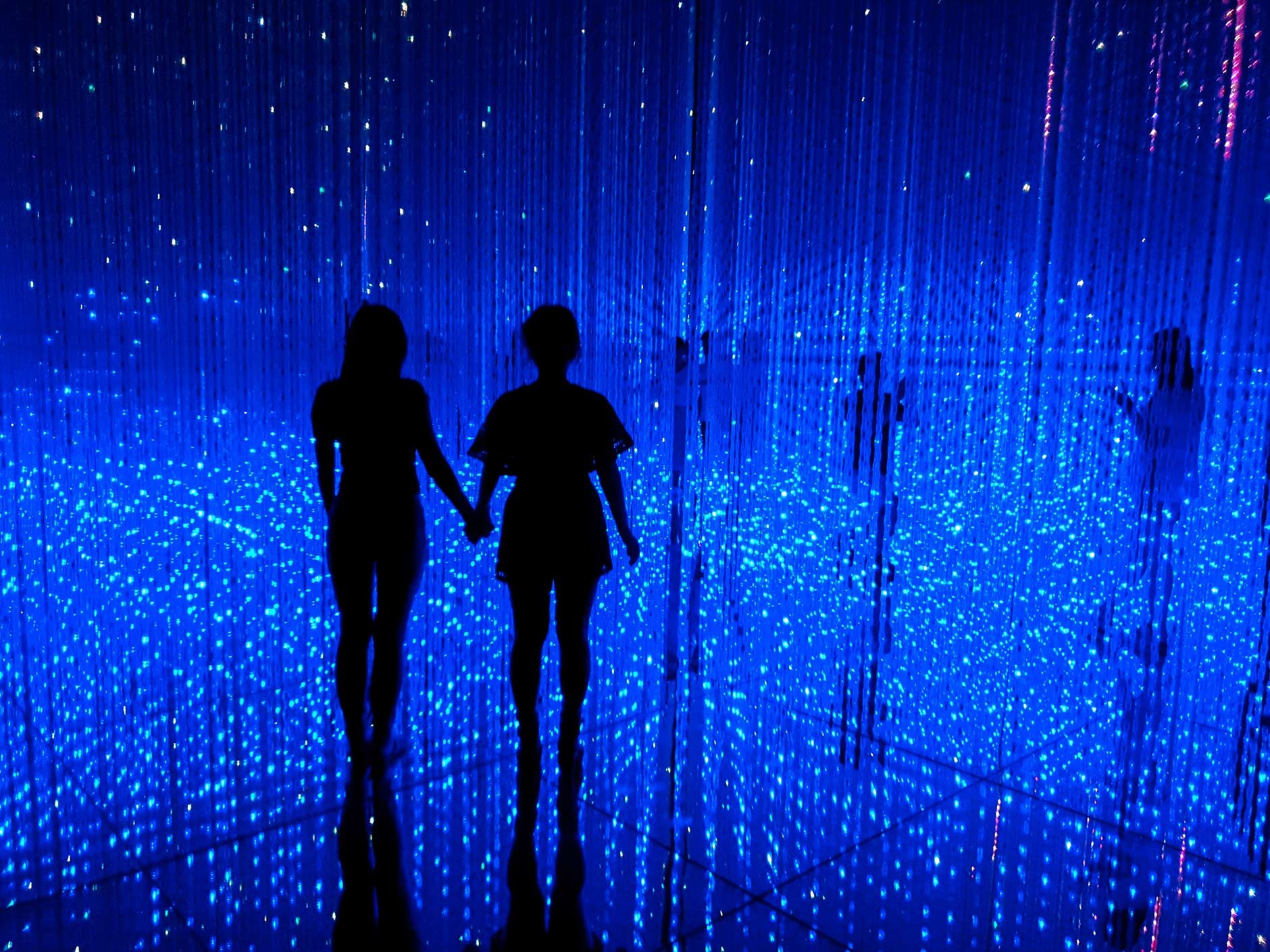
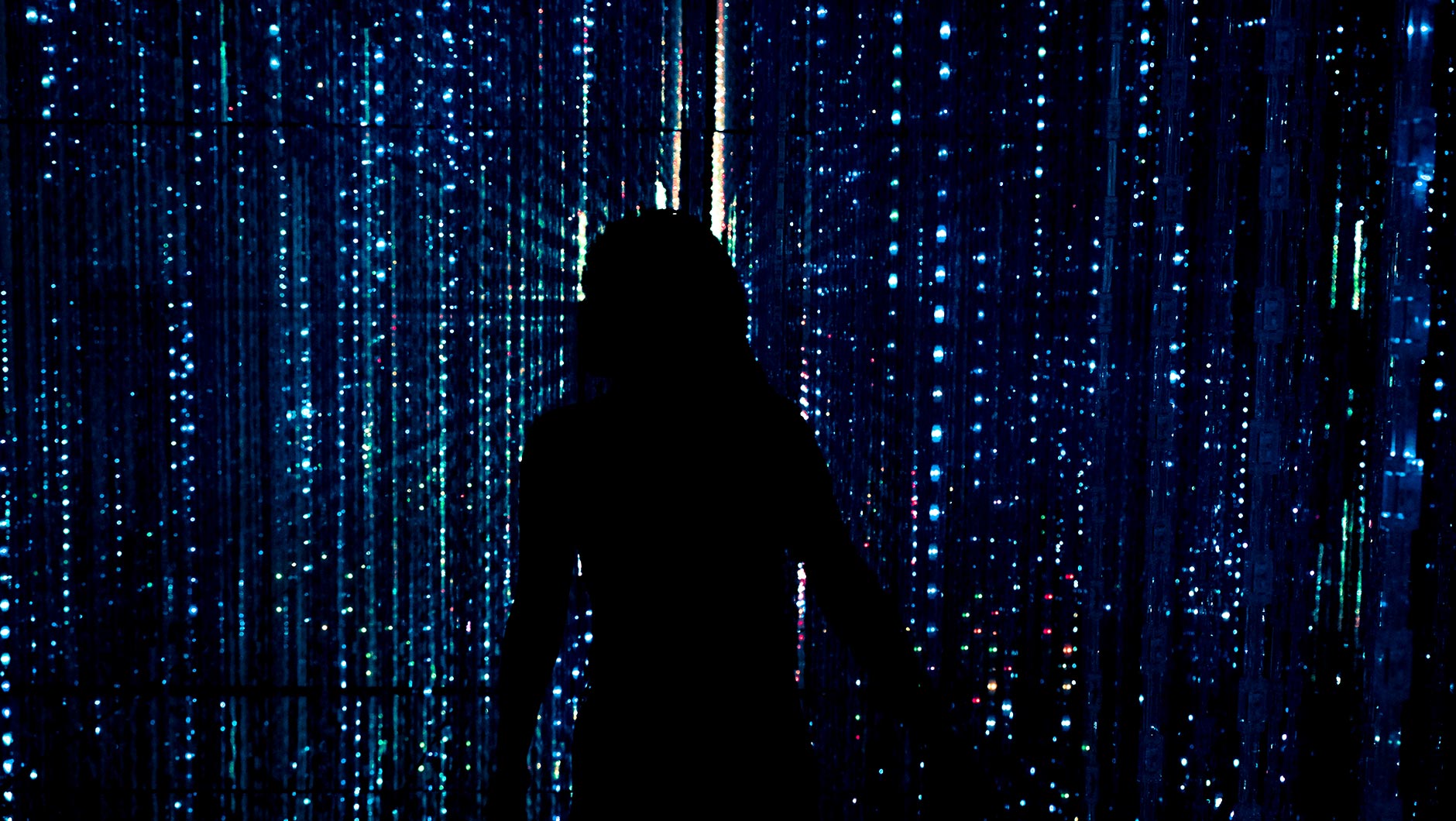
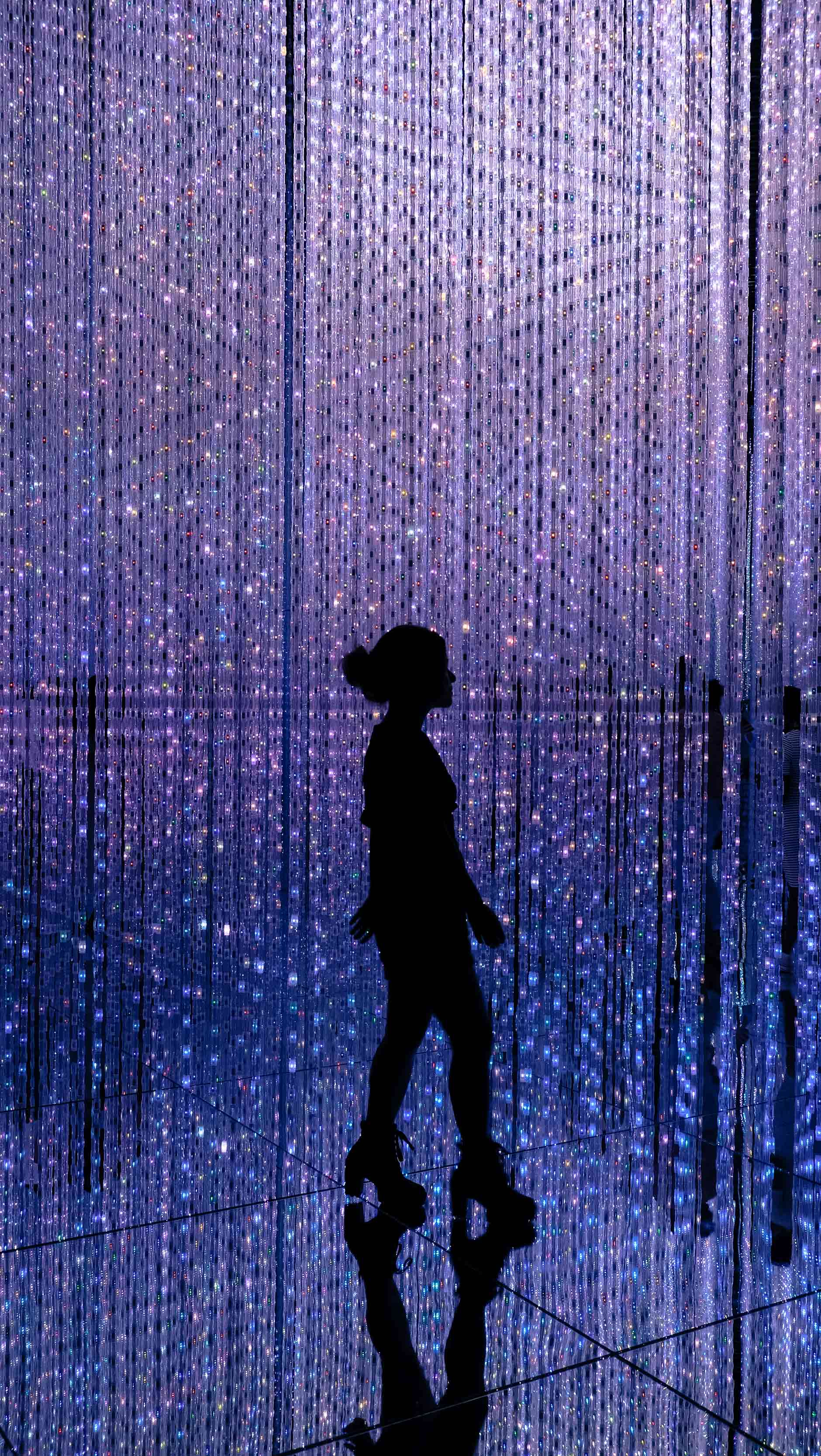
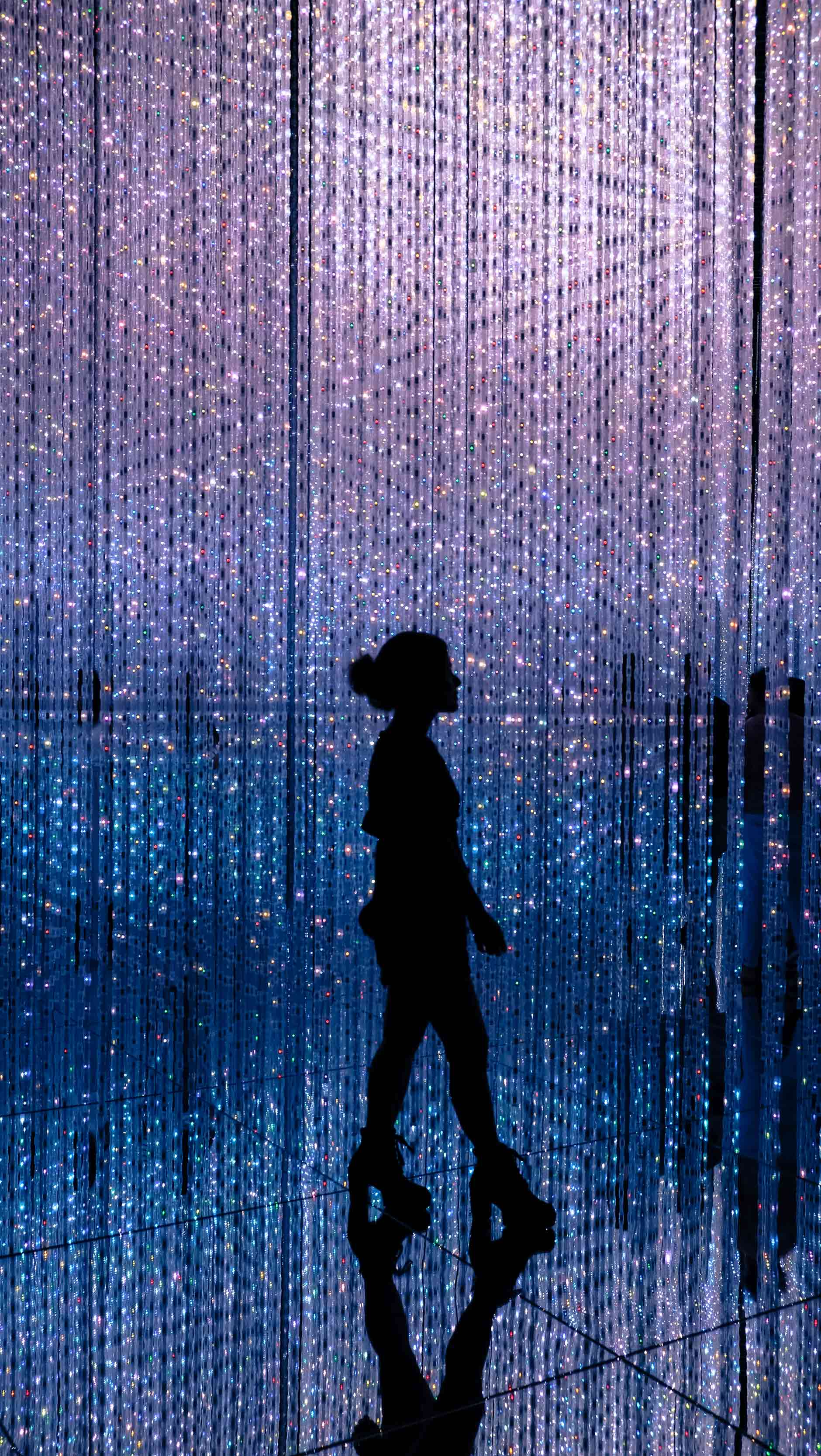
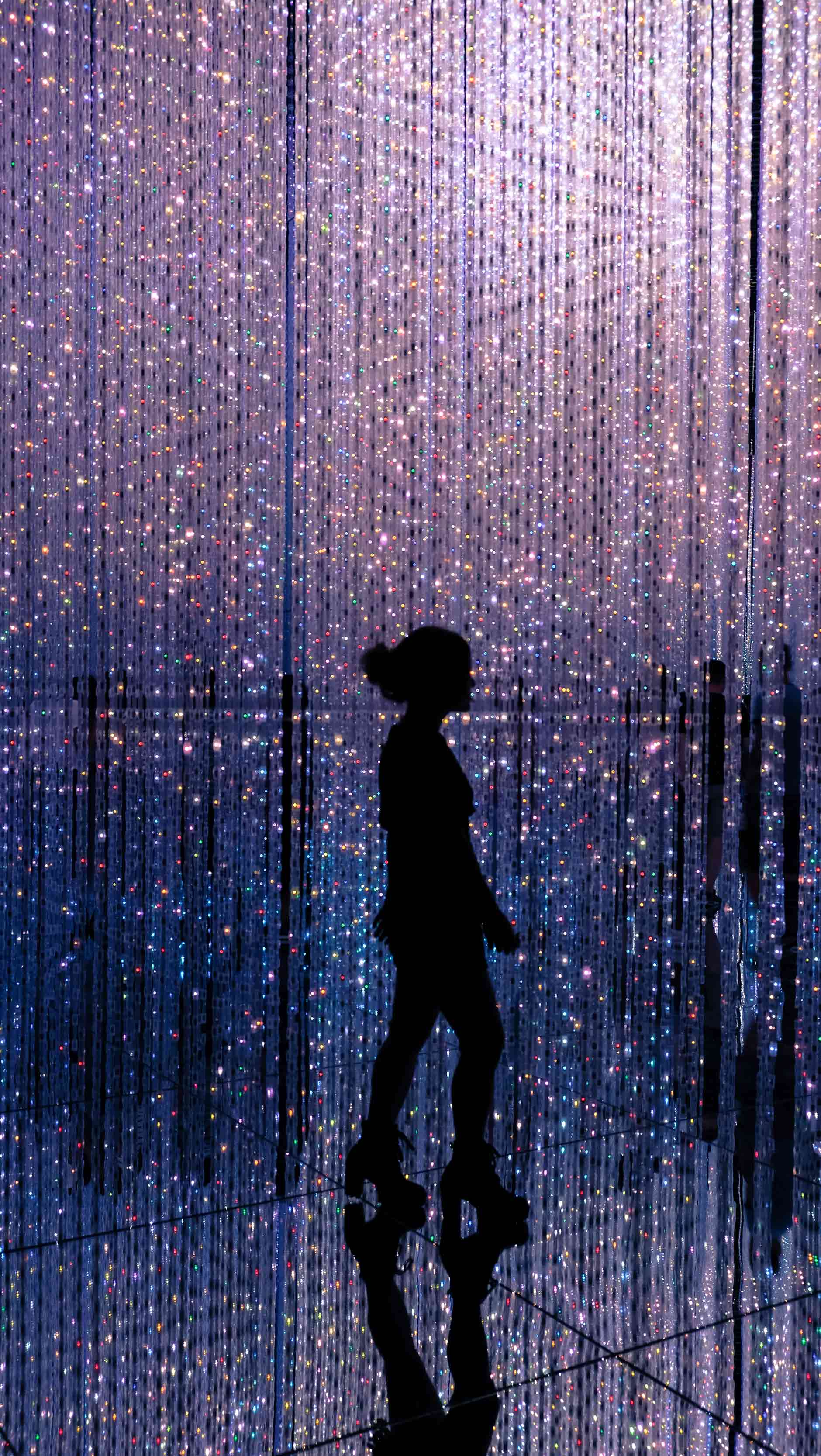
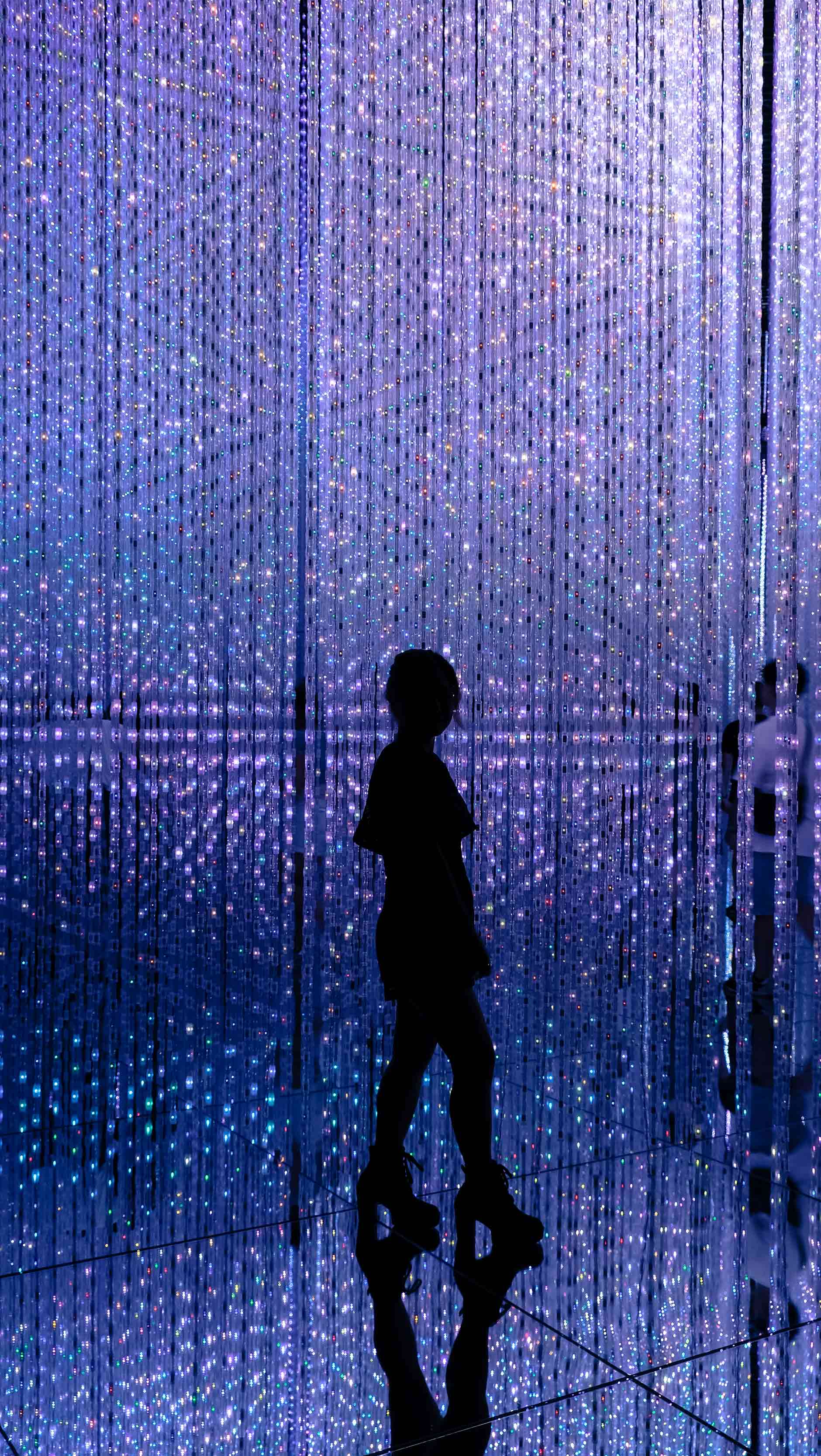
Definitely, the easiest installation to capture an amazing shot, “The Way of the Sea in the Crystal World – Colors of Life” takes you through a maze of flickering LED lights with ambient music forming your path as you navigate between rooms.
Rooms you say? Well, there are two main rooms to find in this section: “Flutter of Butterflies Beyond Borders in the Crystal World” and “The Way of the Sea in the
Crystal World – Colors of Life.”
Photography Tips: Side poses and back shots work best to get that perfect silhouette!
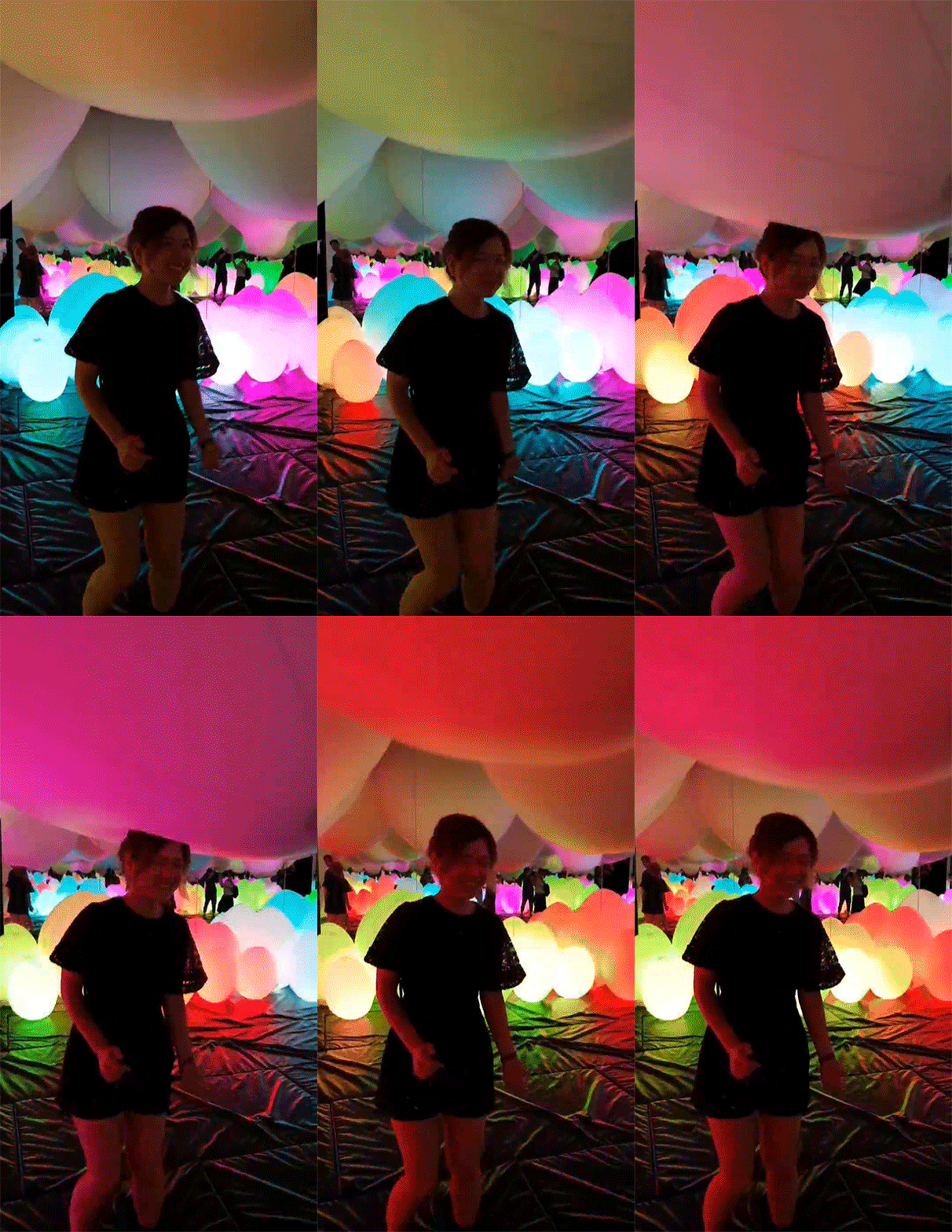
Explore Tips: In this room, play with the panels. Every time you touch them, it changes the colours and lights of the entire room!
Final shot with editing – not too shabby when you compare with Taramilktea’s right? Oh, and by the way, the colourful lighting in both photos is due to some slight editing as the colours don’t really get like that in the exhibition.
2. FOREST OF FLOWERS AND PEOPLE: LOST, IMMERSED AND REBORN
Difficulty Level For That Perfect Shot: ★★★
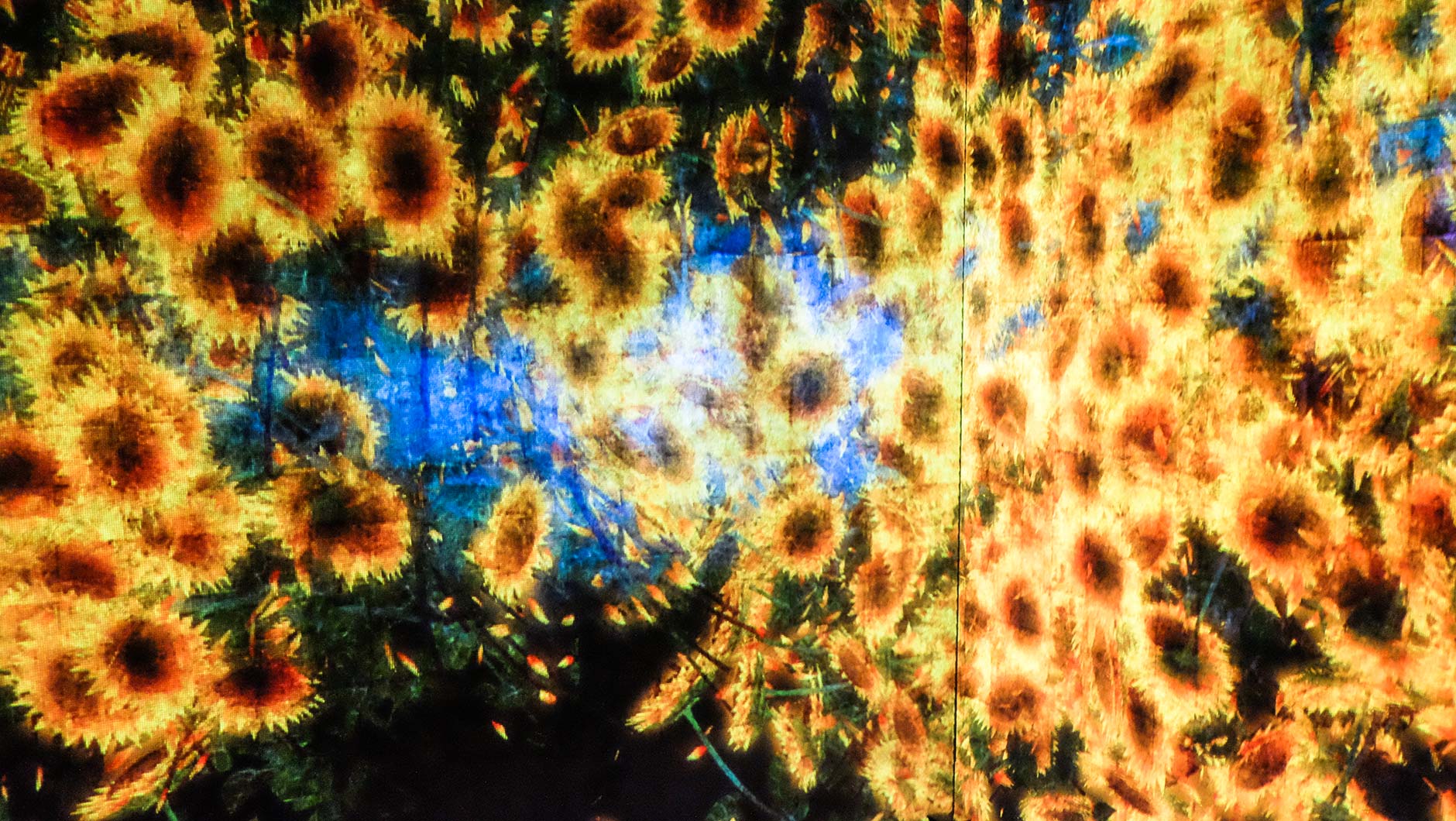
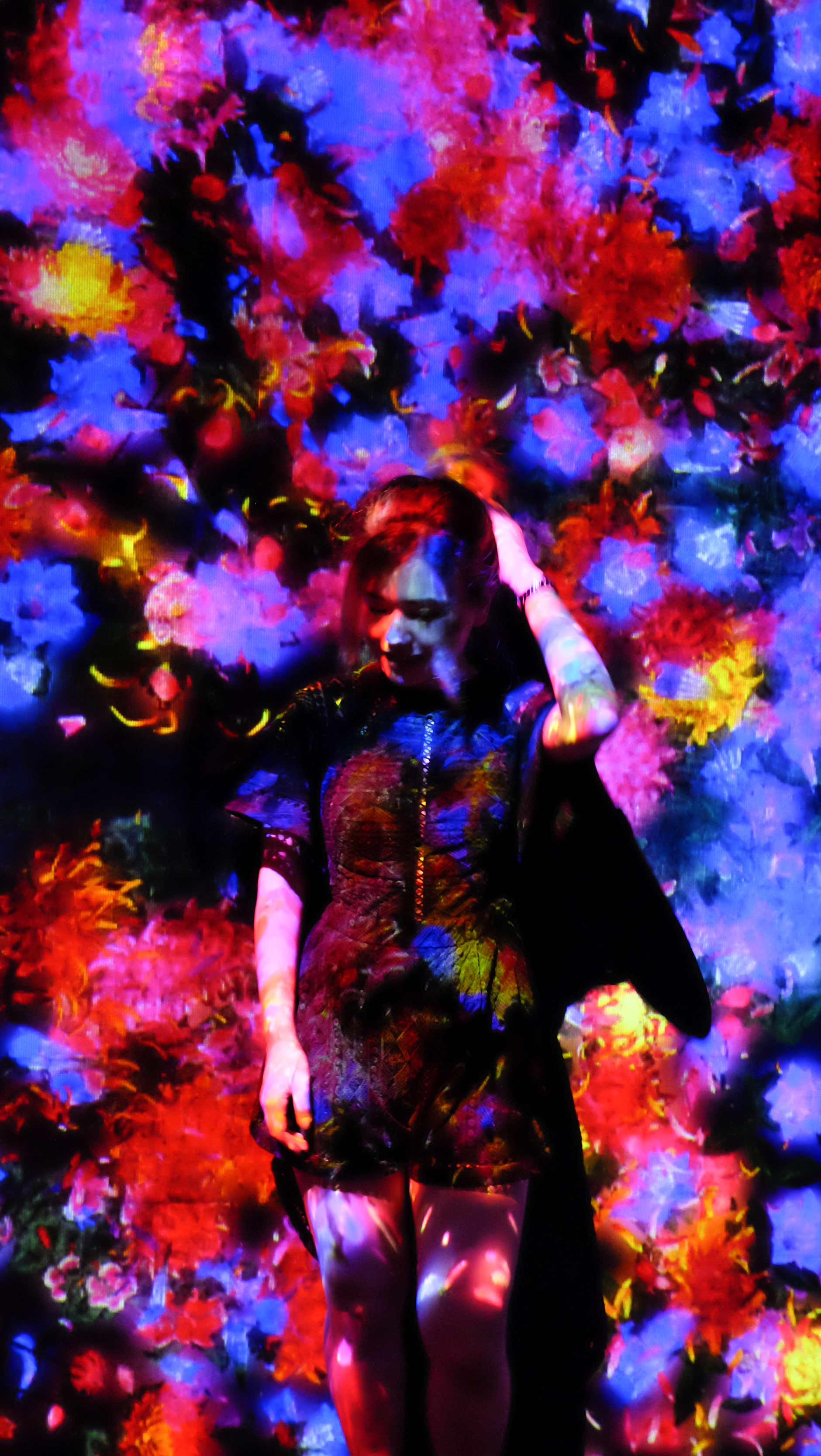
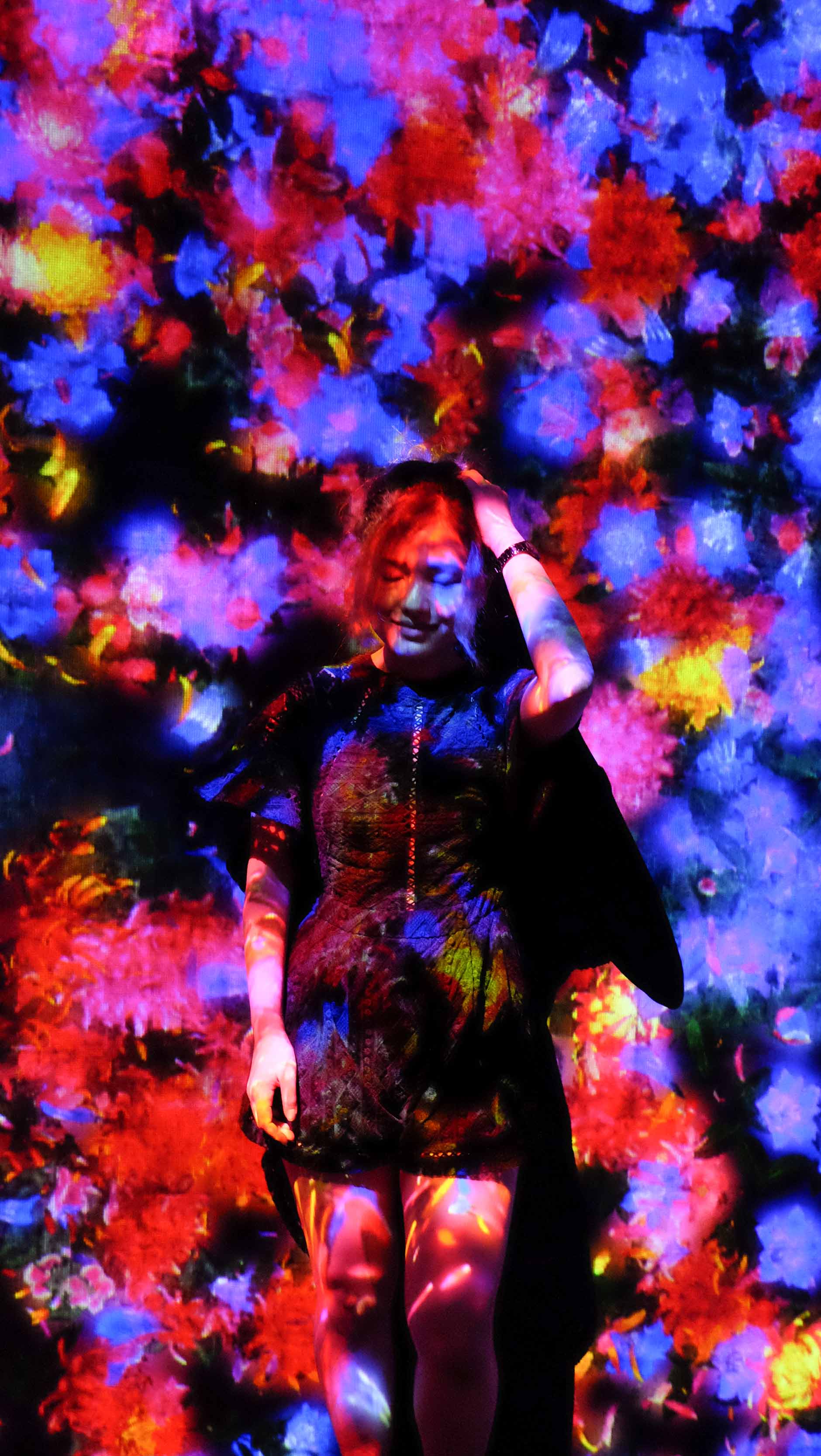
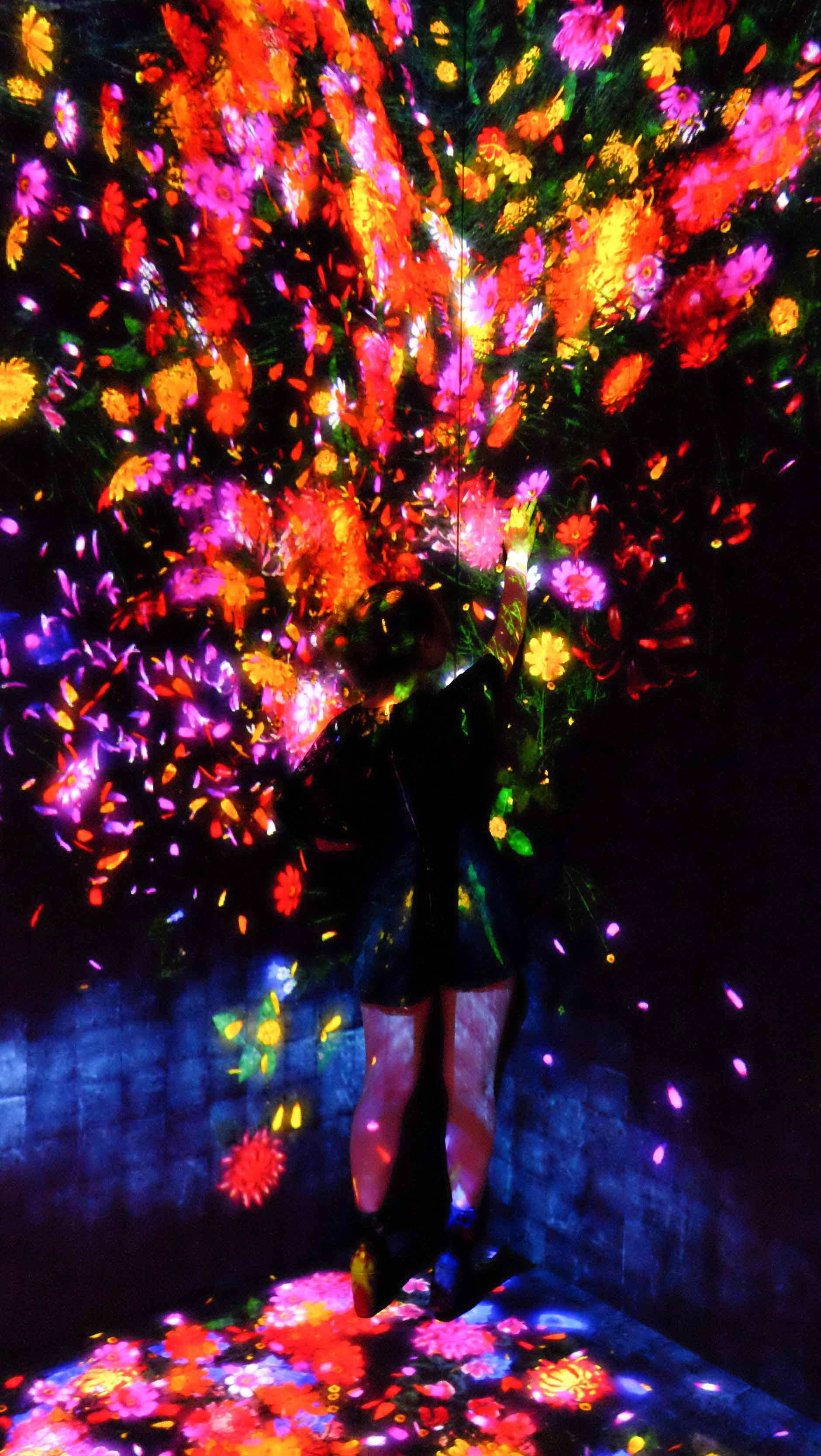
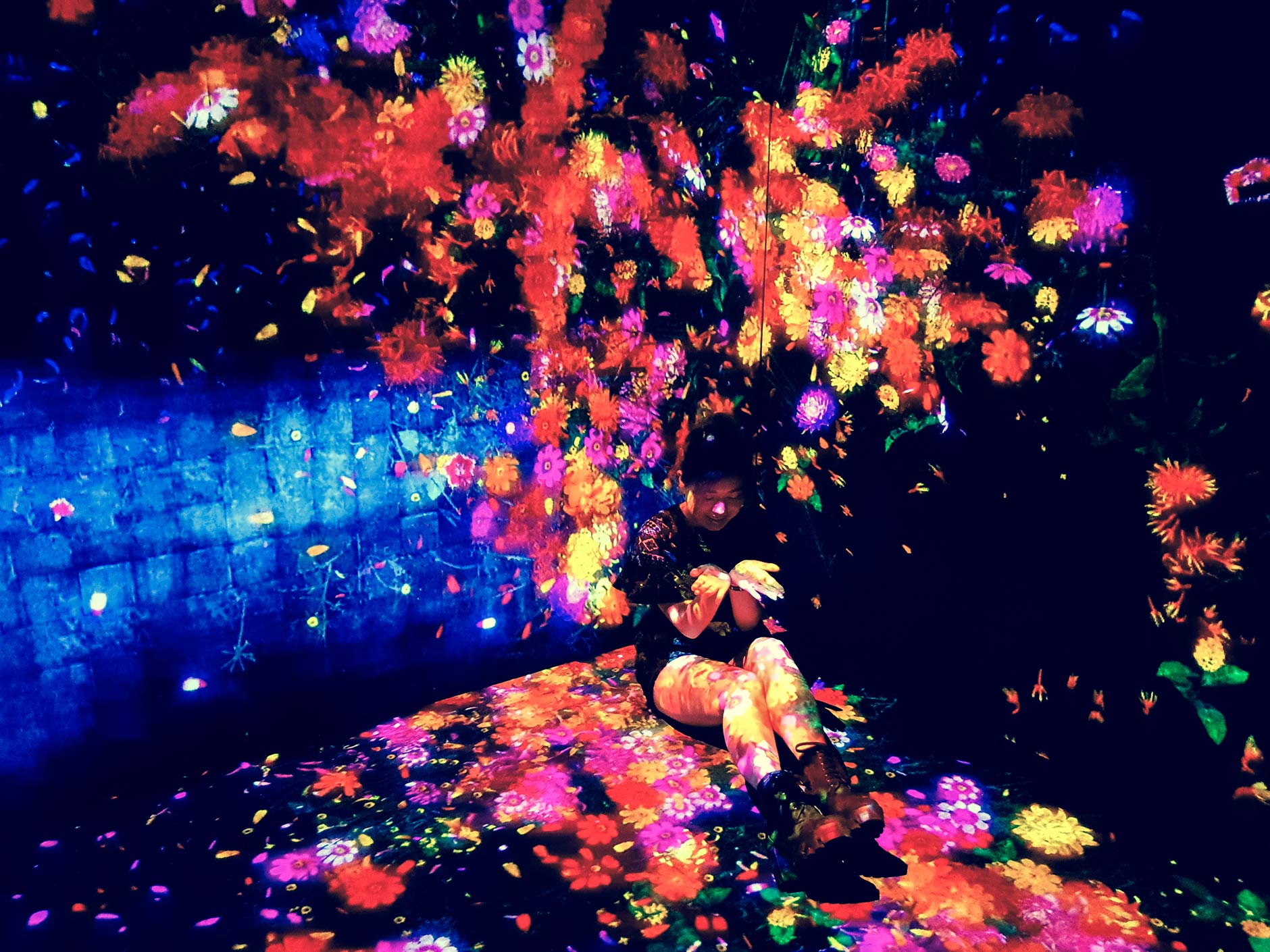
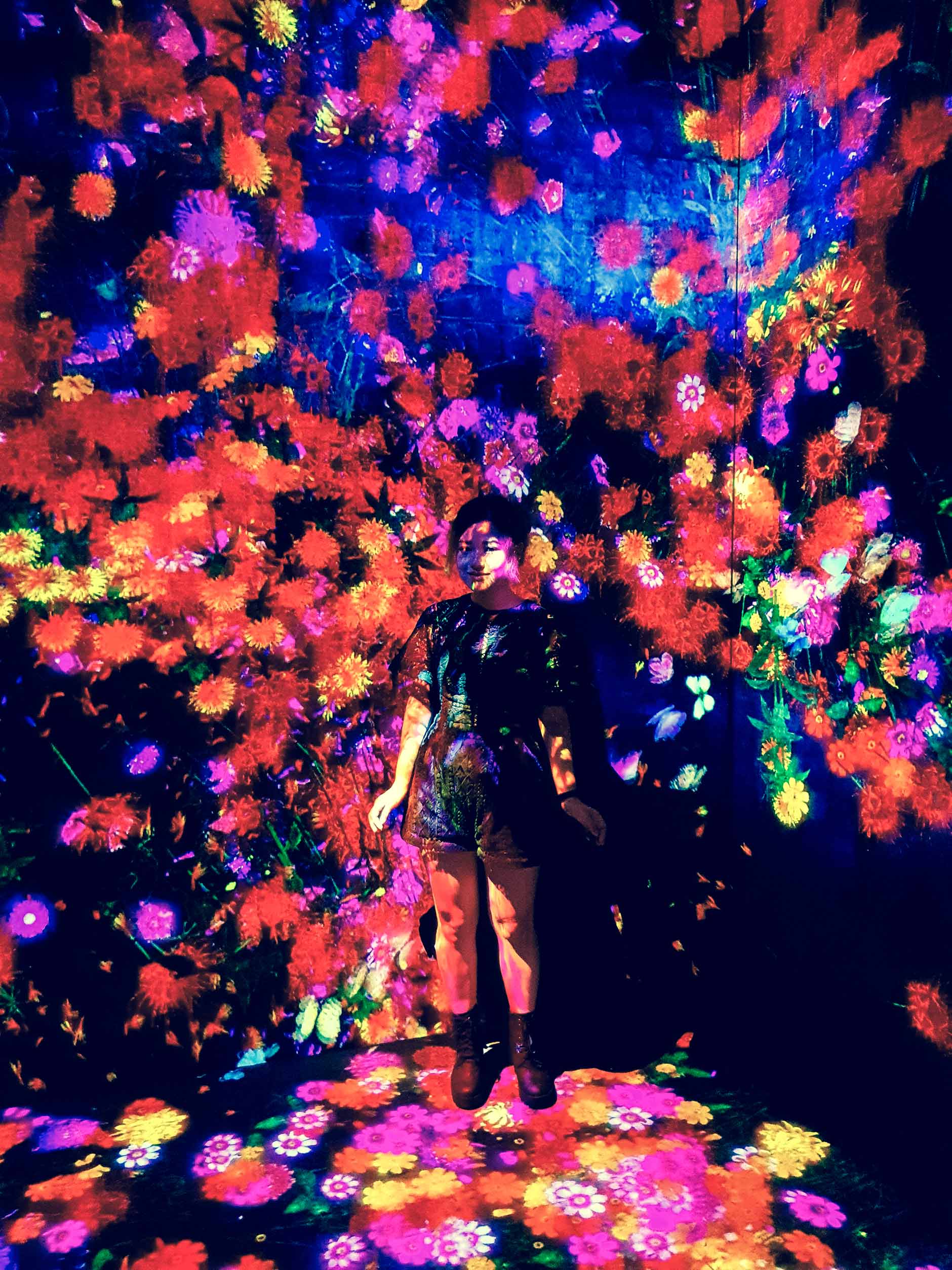
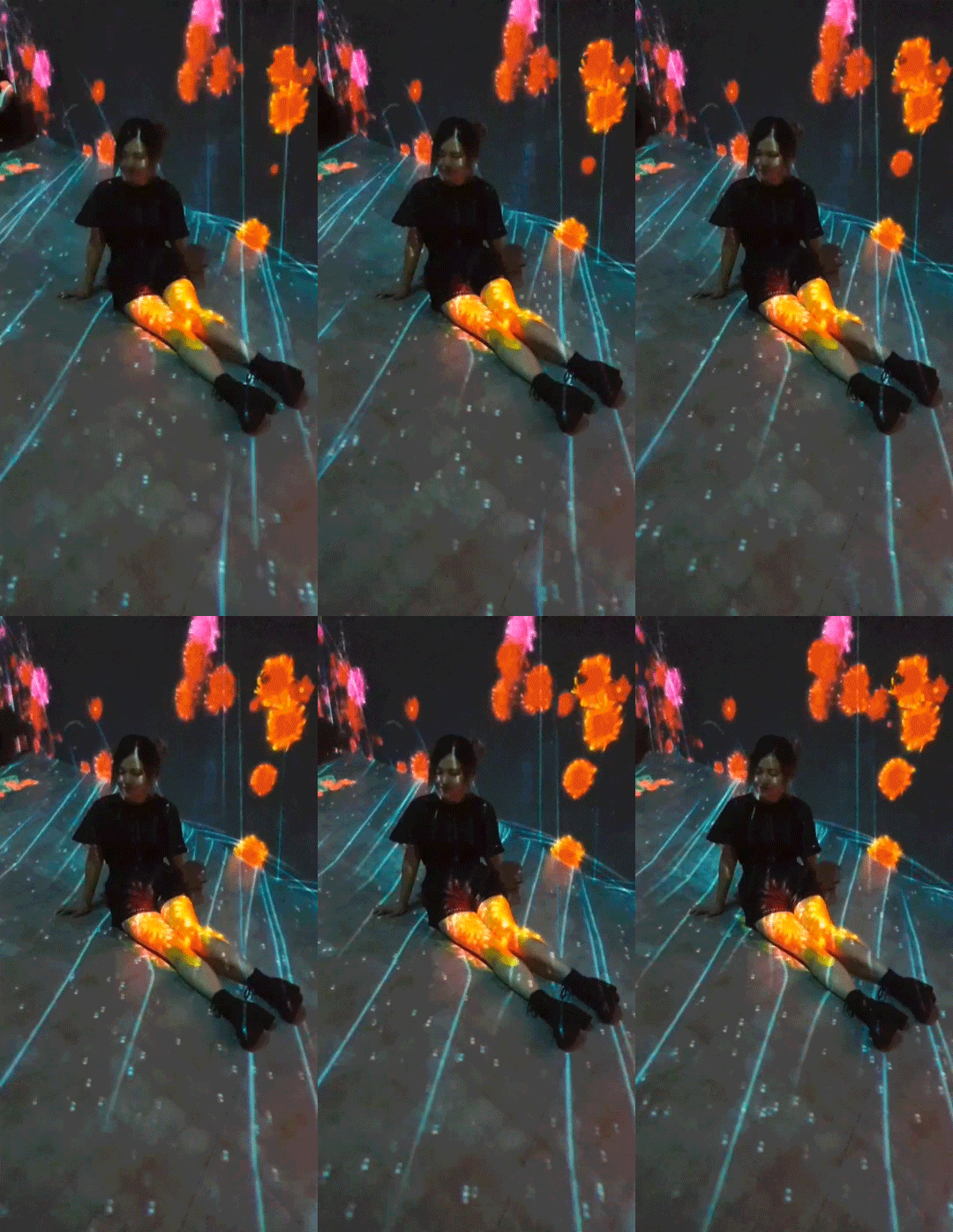
My second favourite installation for photos, Forest of Flowers and People explores the cycle of life, death, and rebirth. Here flowers grow from empty spaces spreading and thriving until the gradual changing of the seasons.
Photography Tips: For poses, try sitting down and use the mirrors to create interesting back-to-back shots.
Explore Tips: The butterflies will, umm, “die” when you hit them.
3. A UNIVERSE OF WATER PARTICLES ON A ROCK WHERE PEOPLE GATHER
Difficulty Level For That Perfect Shot: ★★★★
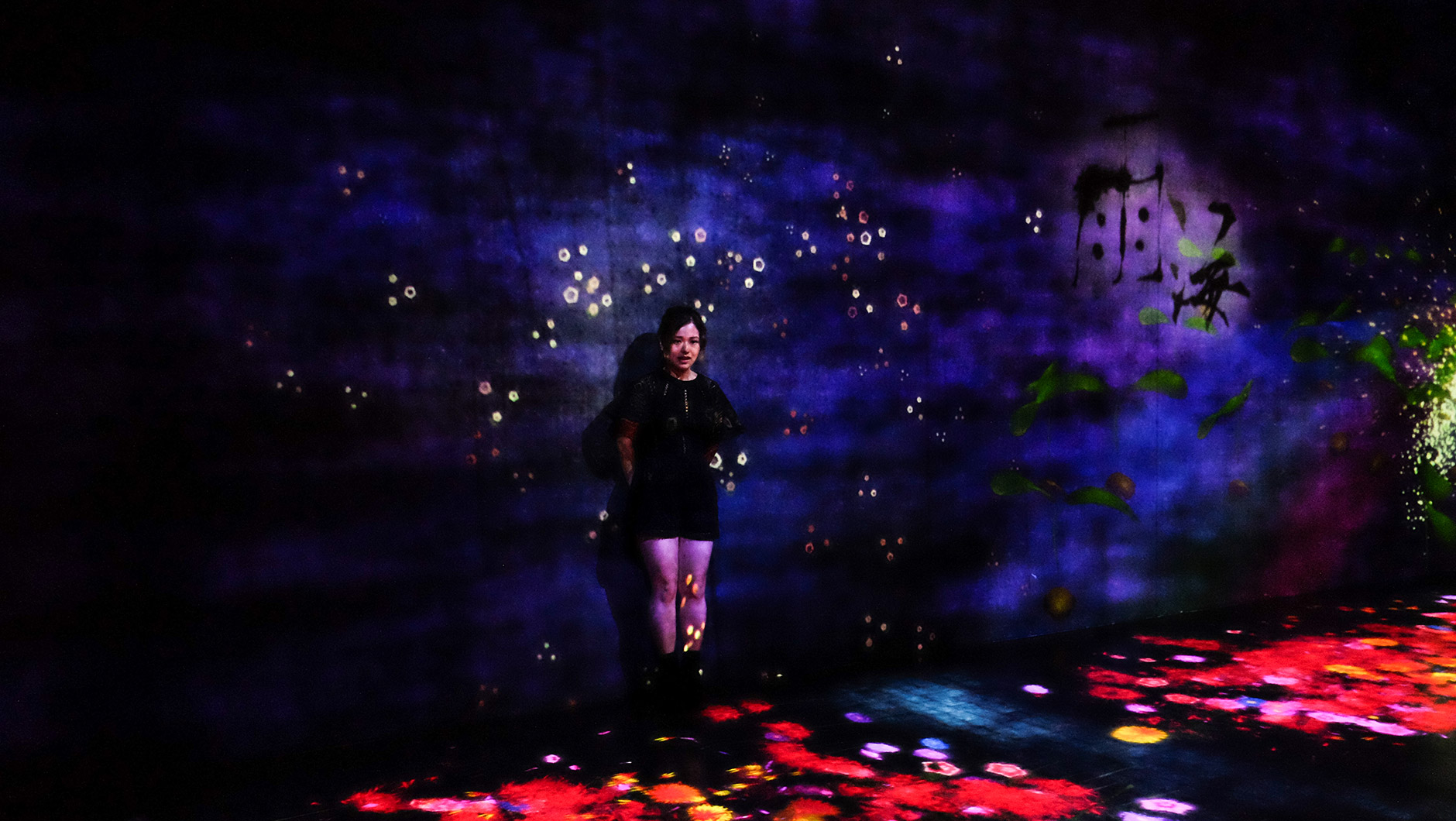
Okay, real talk. Where getting to the pointy end of achievable photos. In this installation, water flows from the “Athletics Forest, Graffiti Nature – High Mountains and Deep Valleys” installations, and accumulate into the waterfall of the Universe of Water Particles on a Rock where People Gather installation.
When the light particles hit the “rock” at the base of the waterfall, they disperse in different directions, creating the illusion of real water. The fun part is, you can climb onto the rock and as the particles hit you, you also change the direction of the water flow, just as if you were a rock in the water’s path. This means every visual artwork is
unique and no formation of water can ever be replicated or reoccur.
In the same room, the “Born From the Darkness a Loving, and Beautiful World” projection controls the room’s climate by catching words that represent different weather patterns as they fall from the sky.
Photography Tips: The best position to capture a photo is at the centre of the rock so try to wait until most people have left to sneak a photo (if you can – we couldn’t). For posing, I think sitting shots look nice, but also side and back profiles look great.
Explore Tips: The falling kanji on the wall changes the entire room’s animation.
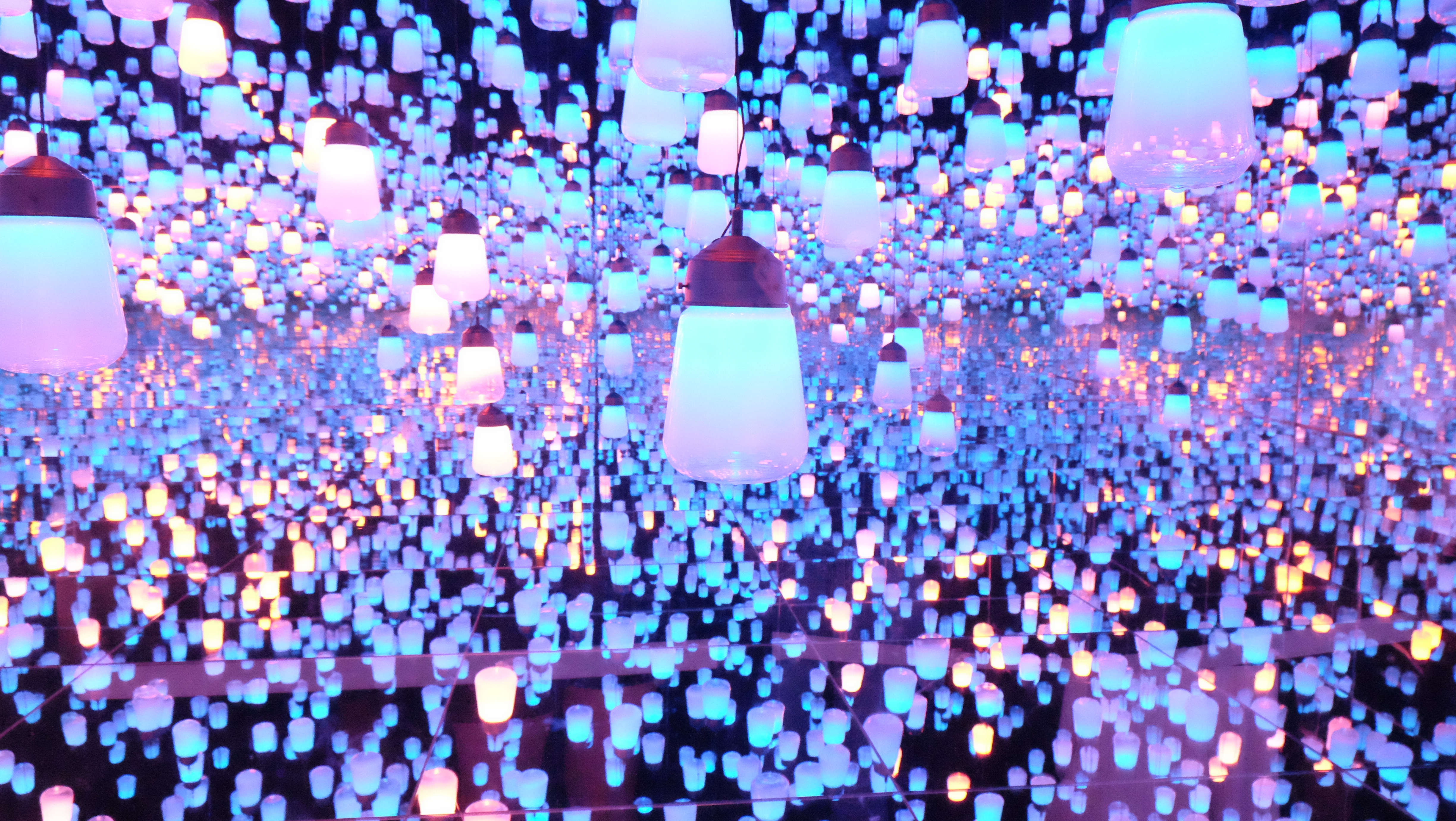
In this installation, light is emitted from one source and travels to another. As it spreads all lamps shine brightly in unison before returning back to its original source.
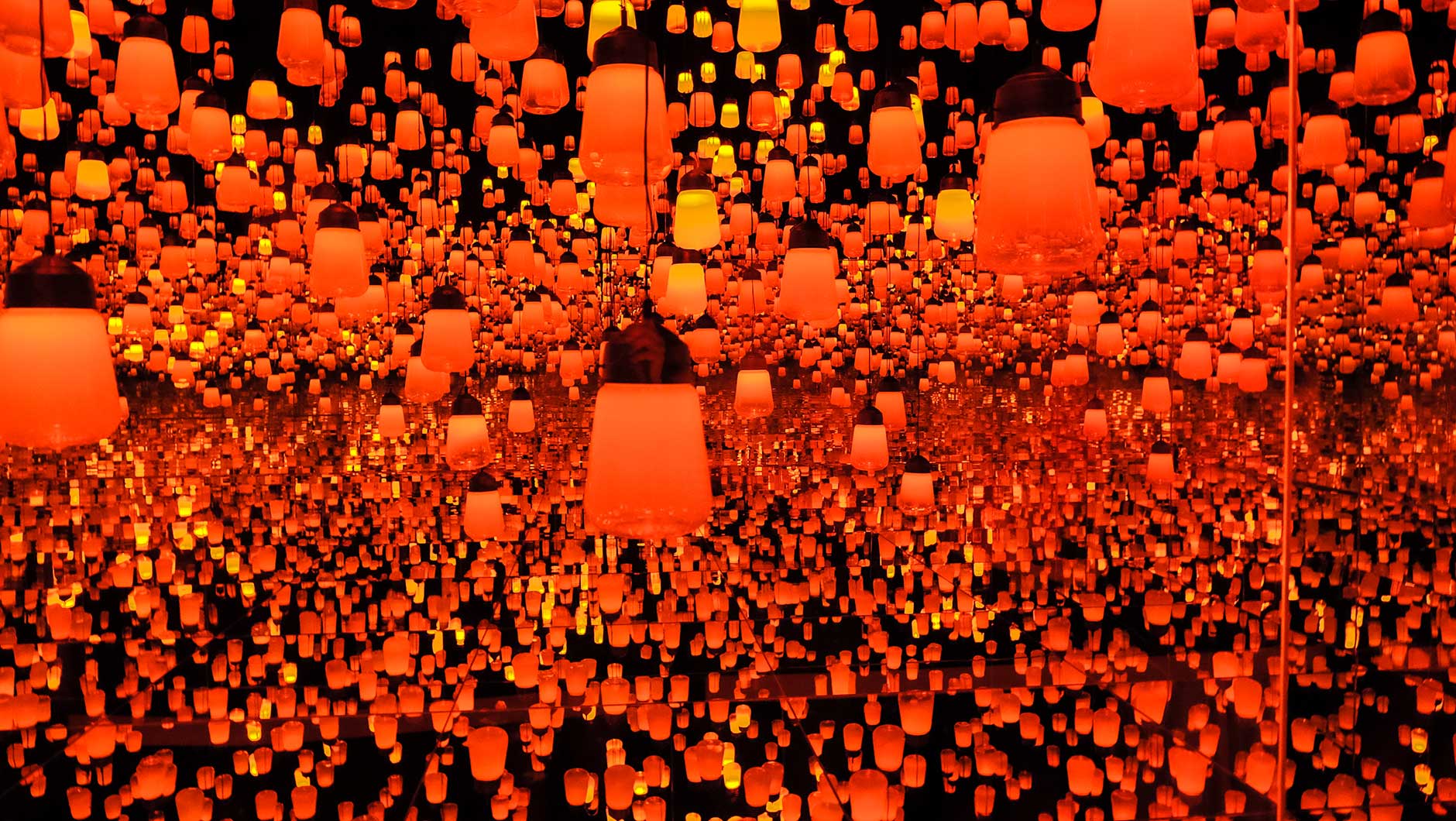
Although the most iconic room in the teamLab exhibition, it is, in my opinion, the hardest room to capture a great photo in.
First of all, entry to this exhibit is limited to specific session times and to avoid overcrowding during those session times, there’s also a limited duration of stay. If you plan to go inside please be aware of the session times to not miss out. I, unfortunately, missed out on going inside the room because of this.
Secondly, the advertised images of this space by your favourite Instagrammers is a
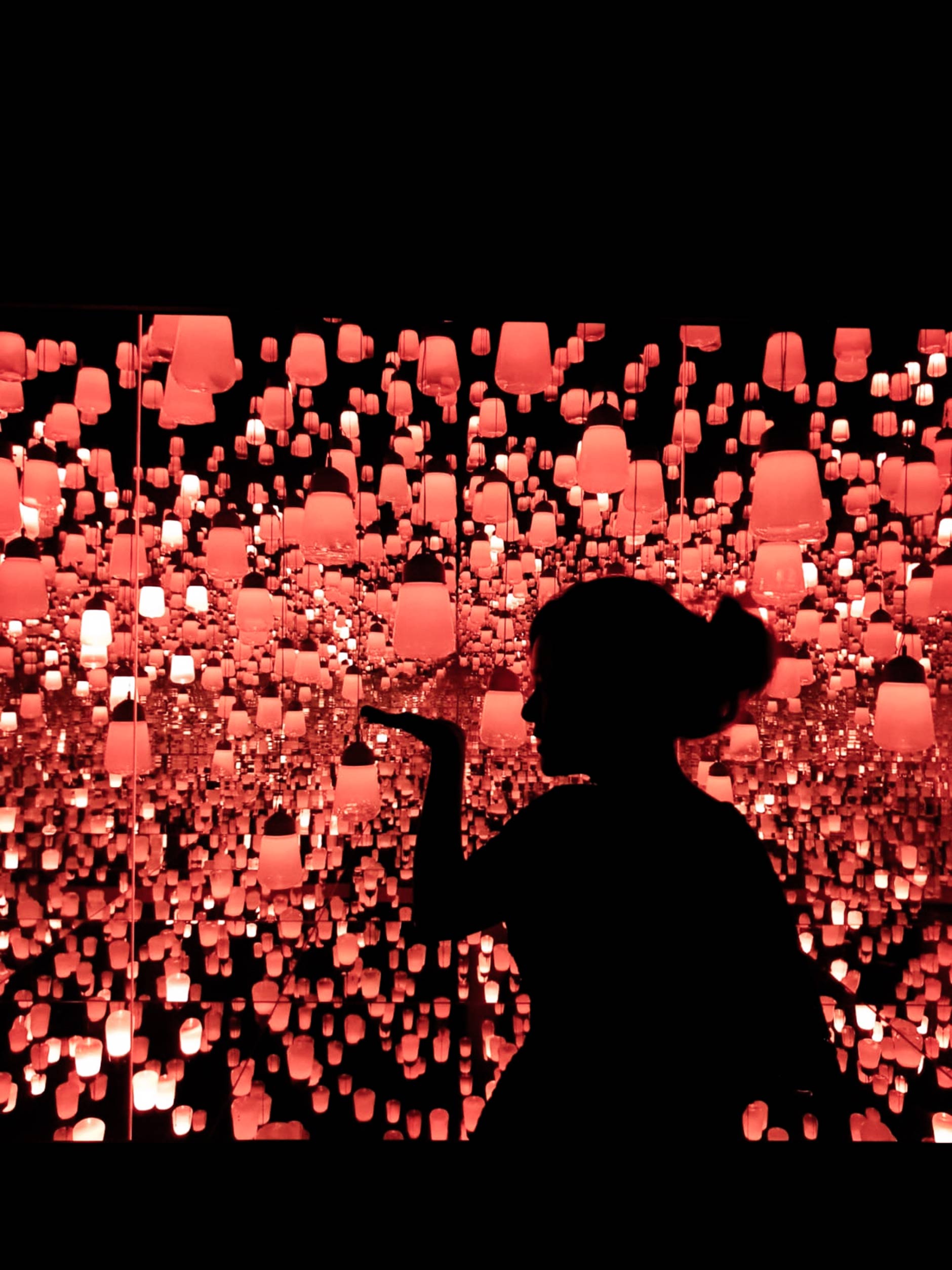
bit of a stretch for the normal ticket goer. For example, we absolutely love taramilktea’s curated image (below) but it was simply not achievable from my personal experience due to crowds and the fact that the room was closed. Whether you go early or go late to Borderless, Tokyo is just a super busy city that I can’t imagine you would be able to get an empty or even partially empty room for yourself.
Photography Tips: My suggestion is to make your photos work on a smaller level. No wide far away camera shots. Instead, more close up shots to avoid bumping into the lamps and to limit background interference. Or, you can fake a wide shot by posing at the window outside as I have (see below).
Explore Tips: Touching the lamps will change their colour.
Because the room was closed, this was shot from the window looking into the room. That’s the only reason why there’s no one in the background!
Top 3 places to explore
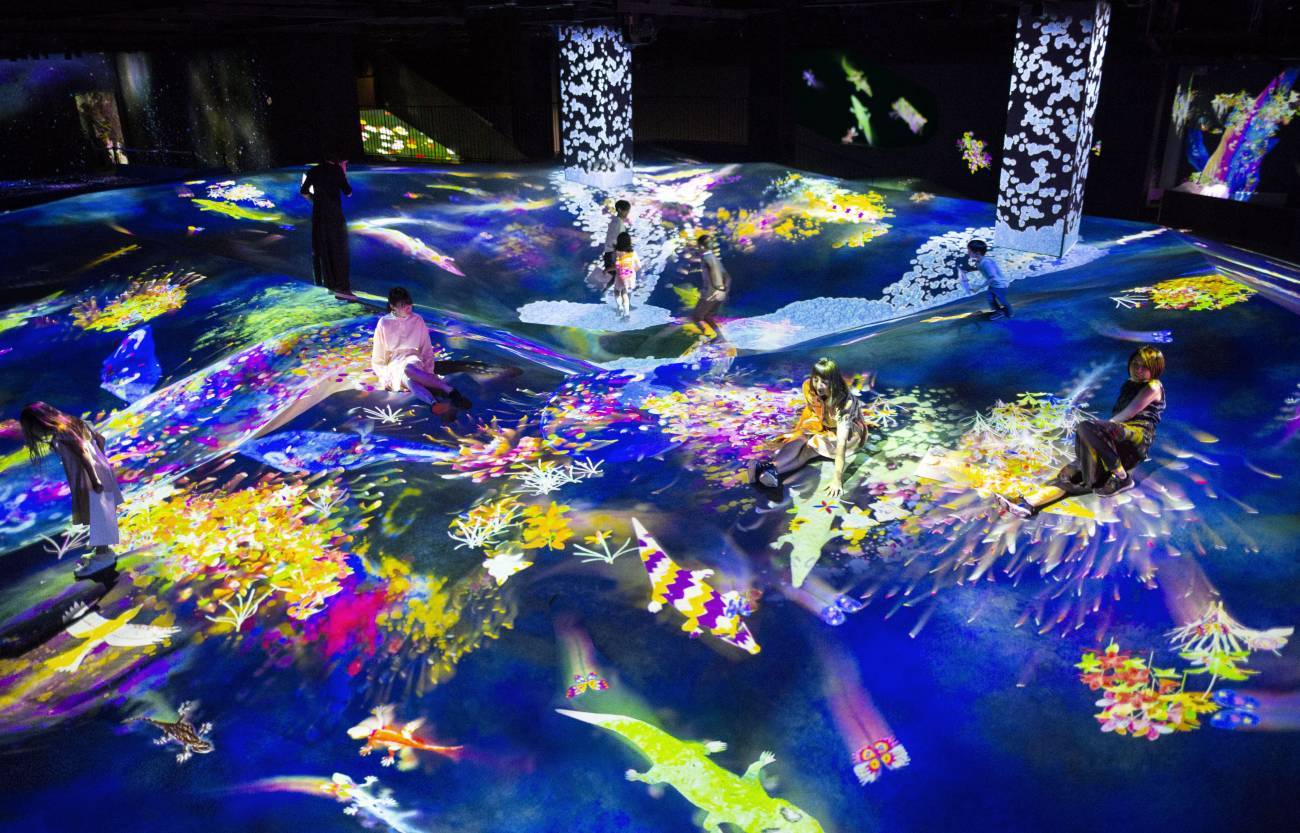
hile you’re exploring each room to the fullest, you will eventually make your way to the “Athletics Forest” – a space designed as a giant projected playground. The world is fully interactive and the floor dips and peaks like valleys and hills to challenge your body and understanding of the projected world in a 3D sense.
I personally feel these places are best for playing in rather than photo taking but you can still capture some fun Instagram Stories or Boomerang loop clips to upload to your social media.
1. WEIGHTLESS FOREST OF RESONATING LIFE
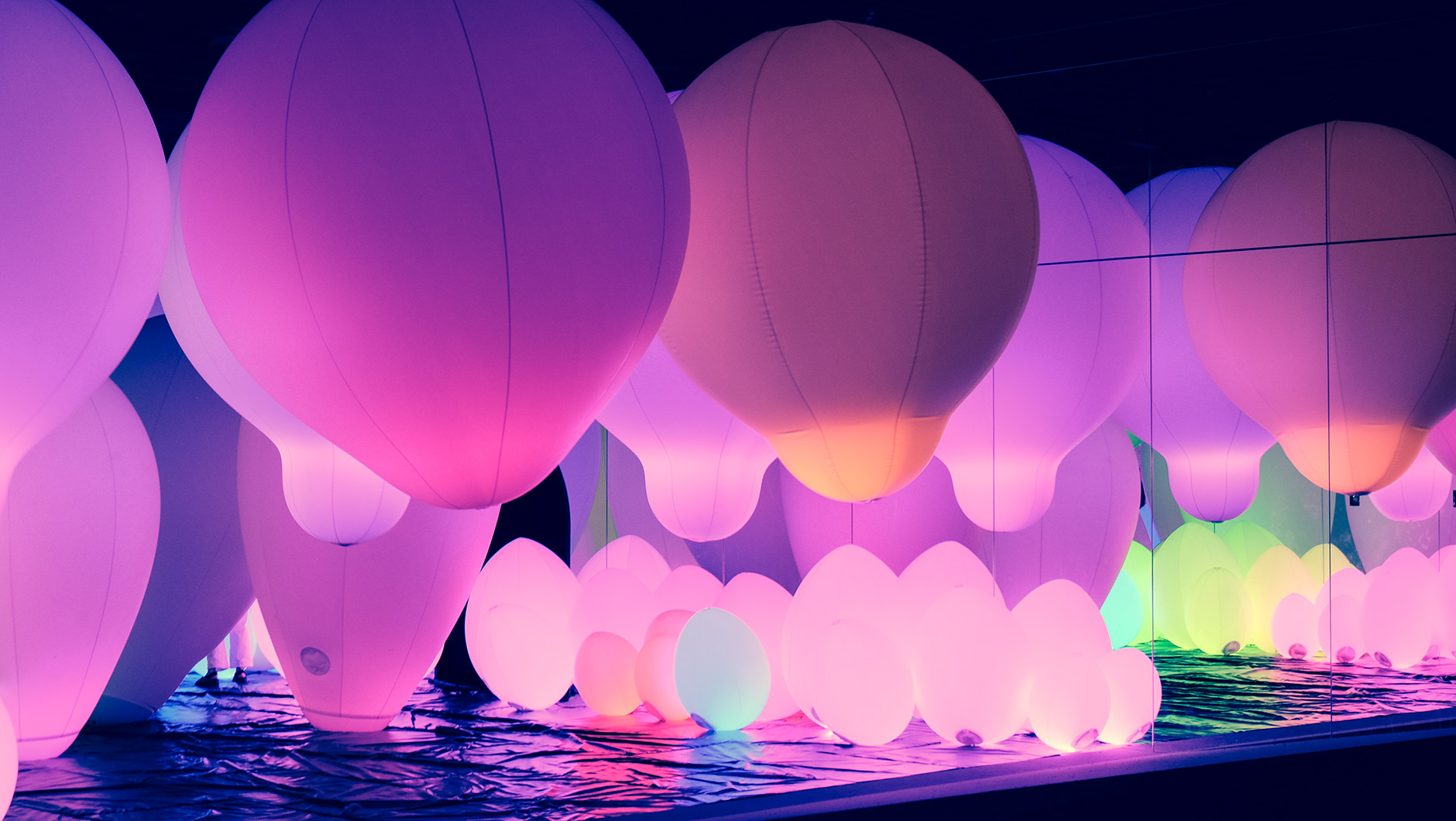
deconstructed jumping castle experience with oversized “balloons” that balance air and light. These balloons are inflated yet can stand upright or stay suspended in mid-air defying gravity and the laws of physics.
Explore Tips: I was surprised that the balloons are actually heavier than they look. Have fun headbutting, hugging and touching them but no punching!
2. Graffiti Nature - High Mountains and Deep Valleys
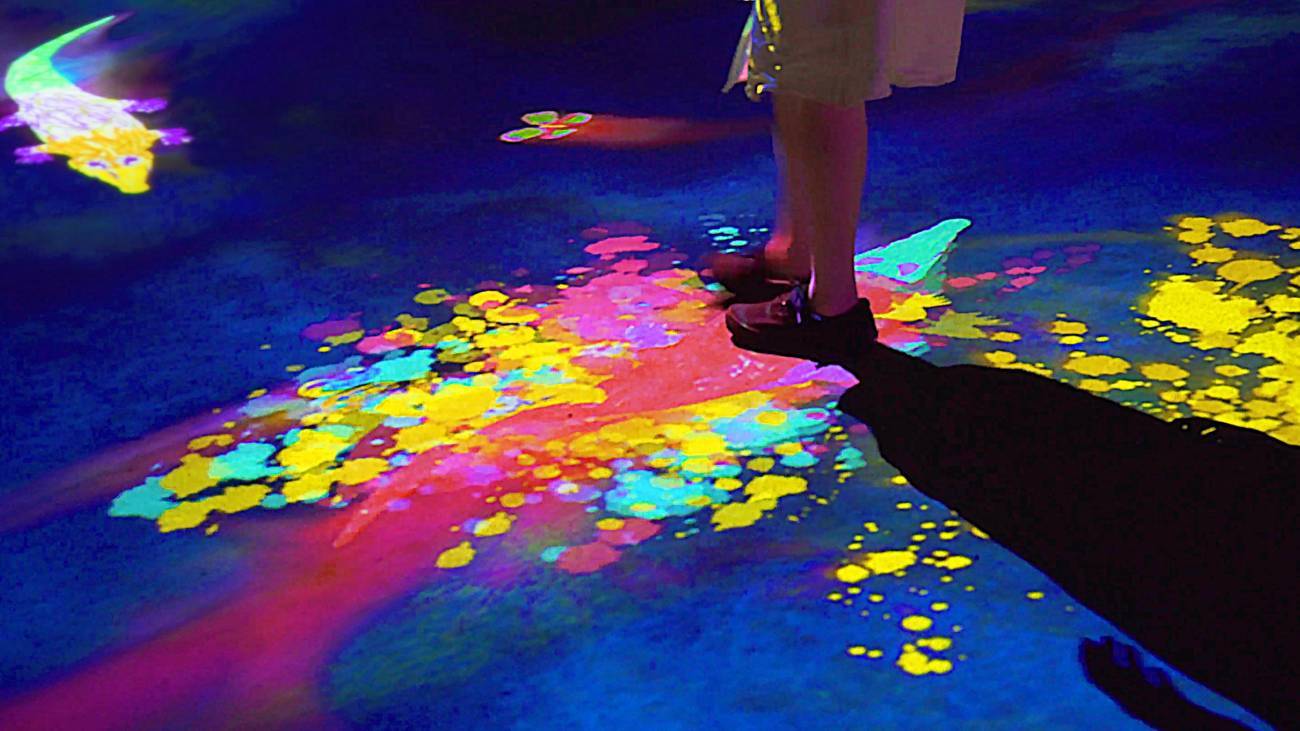
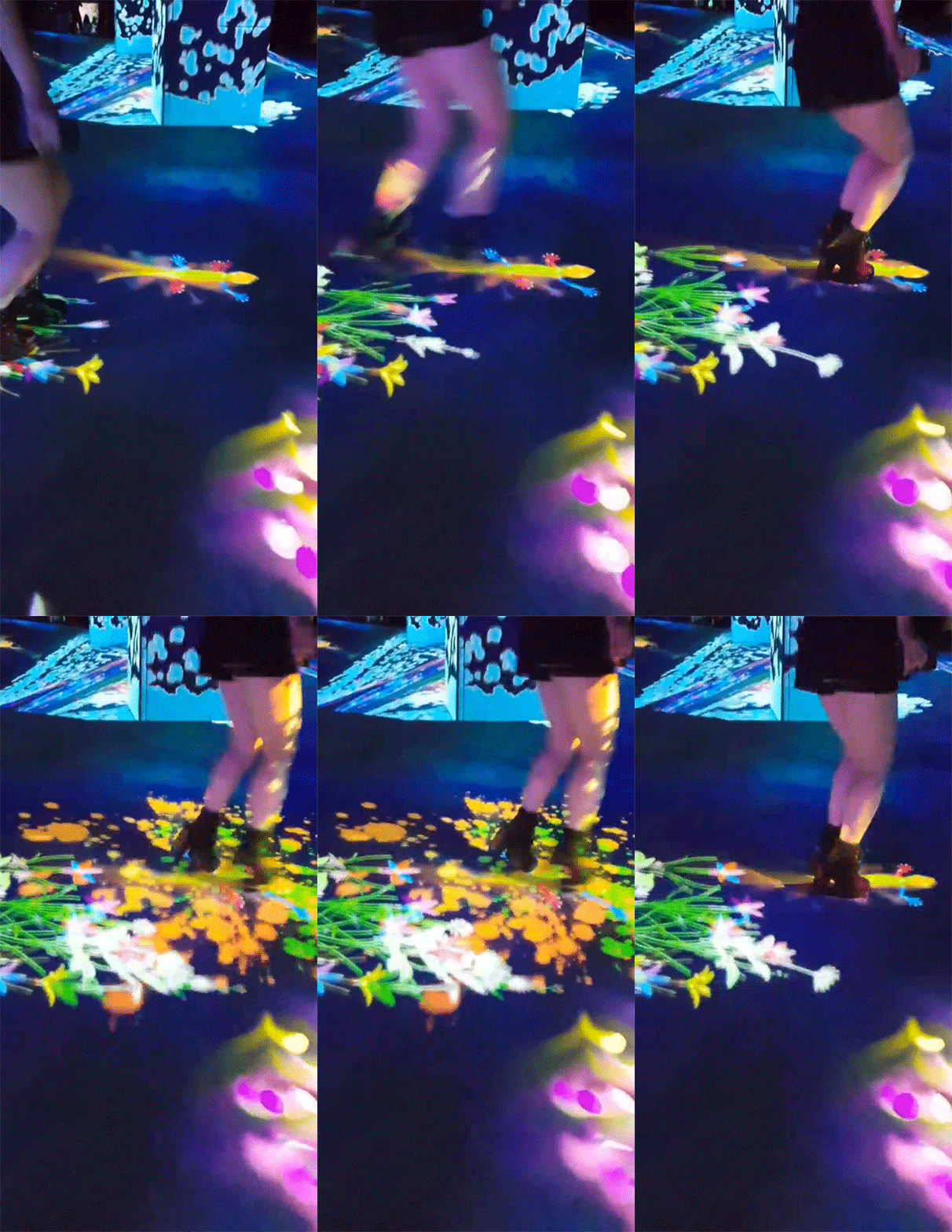
hand-drawn ecosystem were animals and plants co-exist. Animals will increase their numbers from eating other animals in the food chain. Flowers will bloom if you stand still and disperse when you walk around. Learn how to create and play here.
Photo Credit: borderless.teamlab.art (Website)
Explore Tips: The ground is like a giant hopscotch were you can try everything from hopping, skipping and jumping on similar animals and see how they “explode” with colour! Let your inner child out and stomp to your heart’s content!
Photo Credit: borderless.teamlab.art (Website)
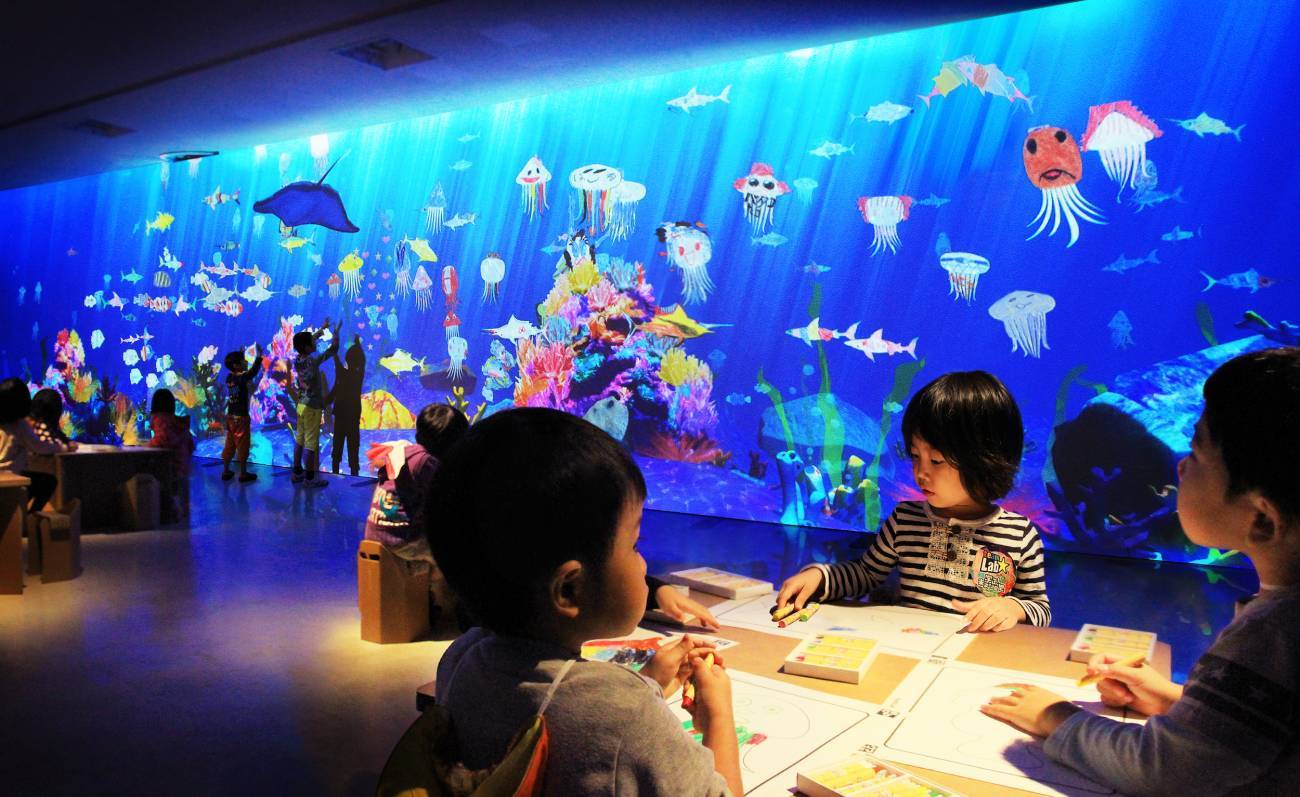
3. Sketch Aquarium
ithin the Athletics Forest is another world called “Future Park” – a creative world to teach and learn about ecosystems in a digital environment. Enjoy creating your own sea animal to live in the digital aquarium and watch how your creation comes alive and interacts with other digital sea creatures. Learn how to play here.
Photo Credit: borderless.teamlab.art (Website)
Explore Tips: It’s like digital sea monkeys meets a tamagochi, you can watch your “shy” creature start making friends and slowly cluster together with its own family. You can also touch the bags to release “food” for your fish friends to eat.
GENERAL INFORMATION
PRICE
Adults (15 years old and older) – JPY 3,200
Child (4 to 14 years old) – JPY 1,000
OPENING HOURS
Regular Hours Monday – Thursday, Sunday and Holidays 10:00- 19:00
Friday, Saturday and Holiday Eve 10:00- 21:00 *Closed: 2nd and 4th Tuesday of the month
FACILITIES
Lockers are available for JPY 100 (refundable) to put your belongings in.
Sneaker hire available on the 4th floor if you have unstable footwear like heels or clogs.
To avoid looking up your skirt, cover wrap skirts are available for visitors to use in areas with mirrors on the floor.
Inside drink vending machines and rest areas are located near the restrooms.
Wheelchair friendly exhibition, however, wheelchairs cannot enter the Athletic Area.
You can find more about the site, how to access and where to buy tickets here.
Run by two travel and lifestyle bloggers, The Hidden Thimble focus’ on creating truthful and in-depth travel guides, food & beauty reviews. Enjoy drool-worthy photography from around the world!